Most Westhaven sellers open the portals, find a community-wide median in the low $1.3 millions, and assume that number describes the market their home is about to enter. It doesn't. The community-wide median is the average of a dozen different micro-markets stitched together, and by the time a Westhaven contract reaches the closing table, three quieter forces have usually decided the outcome: which section the home sits in, which HOA tier it belongs to, and which exterior decisions the Architectural Review Committee blessed years before the listing photos were taken.
The friction that catches Westhaven sellers off guard is almost never about price. It is about the paperwork, the approvals, and the section-level comps that a broad median cannot see.
The community median describes a market you probably didn't sell into
Rolling twelve-month closed-sale data through May 2026 puts Westhaven at 313 transactions with a median around $1,327,855 and an average near $1,524,421. Underneath that tidy summary sits a price-per-square-foot range from roughly $289 to $824. Streets like Jewell Avenue and Beckwith Street have been clearing in two to four days on market because the build-era range is narrow and the buyer pool knows exactly what those blocks deliver. Addison Avenue, which spans about thirteen years of construction eras, shows a PPSF spread from the high $280s to the mid $470s on the same street.
The implication for a seller is direct. Pricing off the community median is pricing off a story that includes new construction on Championship Boulevard, resales in the Village core, and estate homes near the golf course all averaged together. The comp set that actually determines your list price is much smaller and much more specific. It is filtered by section, property type, build year, and walking distance to the Village Center. A number pulled from a broad neighborhood report is where the conversation starts, not where it ends.
Your HOA is really two HOAs, and the buyer's lender will notice
Westhaven uses a layered association model that is common in master-planned communities but often surprises sellers who have not read their own documents in years. There is a master association covering community-wide amenities and common areas, and depending on where the home sits, a neighborhood or condo sub-association layered on top with its own dues, rules, and reserve schedule.
Reported dues across Westhaven currently span roughly $107 to $814 per month, with single-family homes clustering near the lower end and attached-product tiers carrying the higher figures because more of the exterior and grounds care is shared.
| Product type | Typical monthly dues range | Common inclusions |
|---|---|---|
| Single-family (master only) | Lower band | Residents Club, pools, trails, community events |
| Attached homes and condos | Higher band | Master items plus exterior maintenance, landscaping |
| Golf or social membership | Separate | Initiation and annual fees at the Westhaven Golf Club |
Two practical consequences follow. First, the buyer's lender will underwrite to the total assessment, not just the master fee, so any confusion about which sub-association applies can slow the appraisal review. Second, an estoppel or resale certificate from the management company is what the closing attorney will rely on for the final number. Requesting that packet early, rather than in the final ten days, is the single easiest way to keep a Westhaven closing on schedule.
A small transfer fee, a not-so-small timeline
Westhaven charges a one-time transfer fee at closing that runs approximately 0.3% of the final sale price, in addition to any resale certificate or document fees the management company invoices. On a $1.5 million sale, the transfer line is real money but rarely the point of contention. The timeline behind it is.
The resale certificate, current budget, reserve study, and any pending assessment notices all flow from the HOA office and the finance and closing contact at Westhaven, reachable through the community's own directory at westhaventn.com. Requesting the full package the week the listing goes live, rather than the week the contract is signed, keeps the buyer's title company from stalling out during the resale-review window.
The ARC decided your prep list years before you called an agent
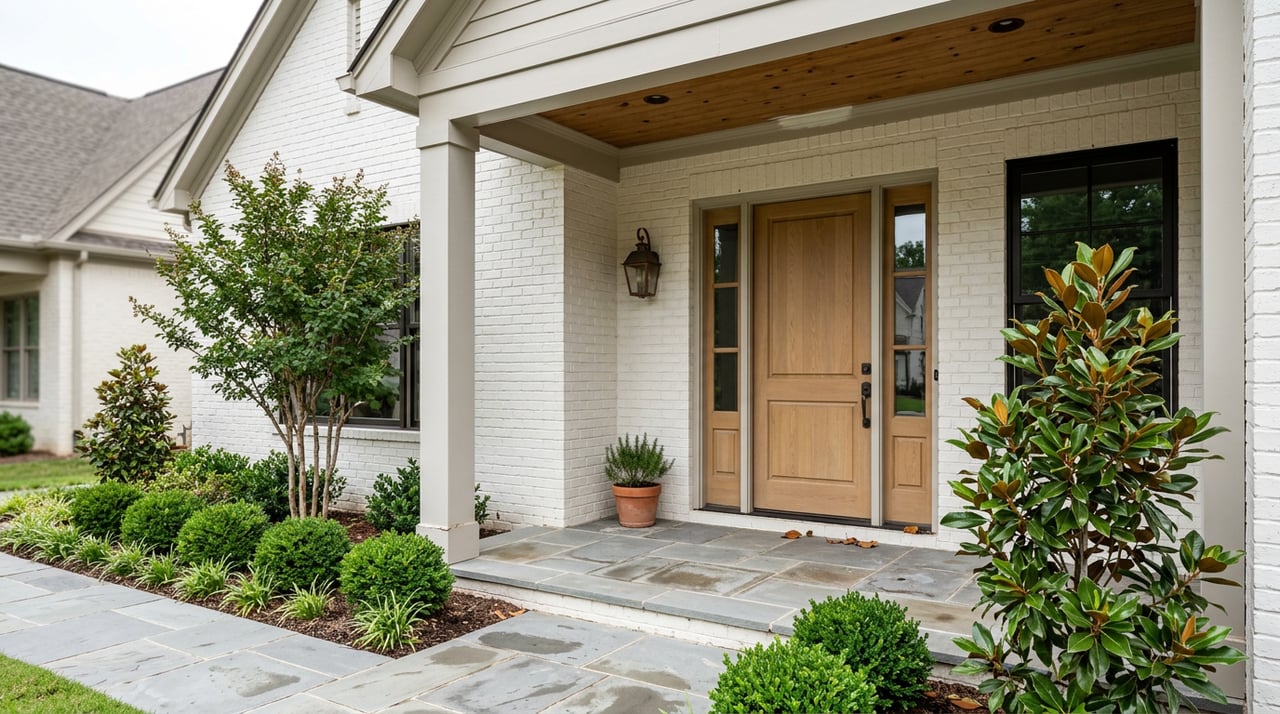
Westhaven's Architectural Review Committee approves exterior changes, and the community's material standards are among the more prescriptive in Franklin. Craftsman, Traditional, and Southern-influenced facades dominate. Brick, stone, and high-quality fiber cement siding are the norm. Porch requirements, street-facing details, and even paint choices sit inside a design vocabulary that was set at community founding.
That matters at resale in two ways.
If a prior owner completed exterior work without ARC approval, that work becomes the seller's problem the moment the buyer's inspector or attorney flags it. Retroactive approvals are possible but slow, and unresolved violations can hold up closing or trigger post-closing obligations that follow the new owner. Pulling your ARC file and confirming that every visible exterior change has documented approval is worth doing before the sign goes in the yard.
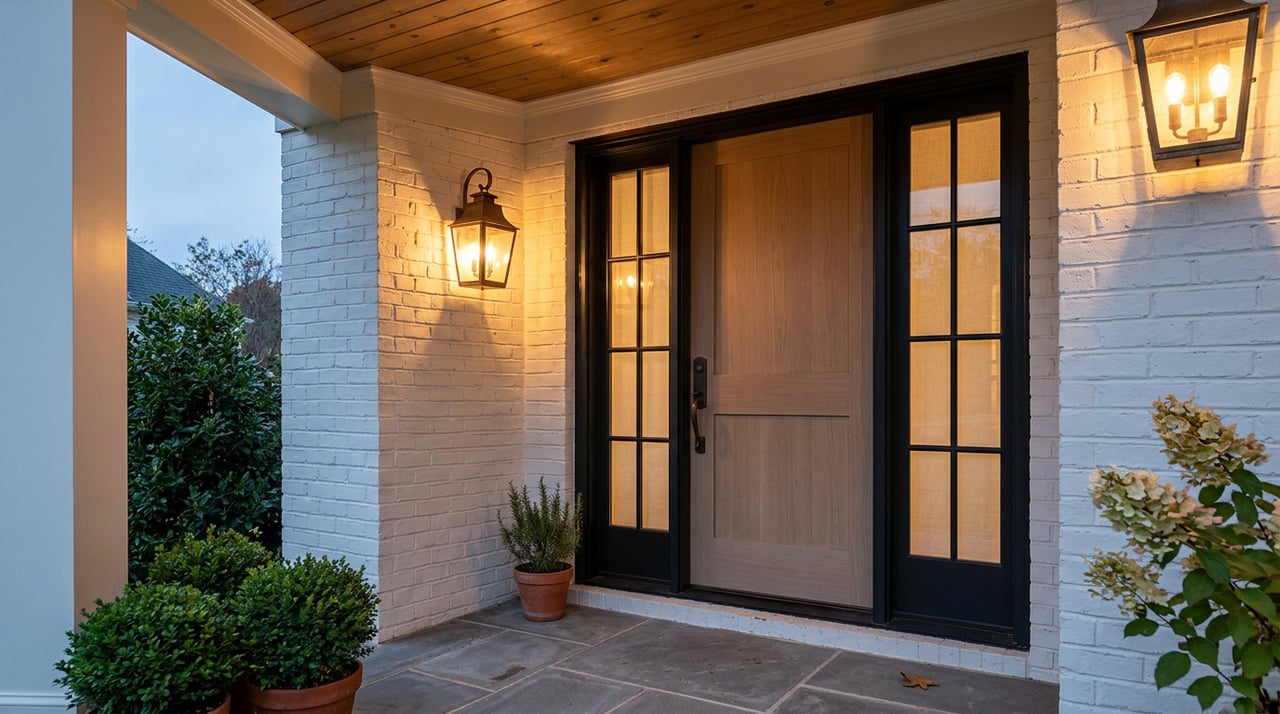
The other side of the coin is cosmetic prep. Buyers touring in Westhaven's price band have a well-trained eye for the community's material palette. Painted brick that has drifted off the sanctioned palette, a front door swap that reads too modern for the street, or landscape edging that does not match the neighborhood's continuous liriope borders will register as friction. The prep list is less about staging trends and more about returning the exterior to the visual language buyers expect on that specific block.
Section 66 and the 55+ overlay shift the buyer pool
Westhaven remains under active development toward a projected buildout around 2031, with active sections currently including 56, 60, 61, 62, 63, 65, and 66. Section 66 is designated for the 55+ active adult community. For sellers elsewhere in Westhaven, the presence of a growing 55+ inventory changes the buyer pool in a way that is easy to miss.
Empty nesters who might once have bought a larger single-family home closer to the Village now have a purpose-built alternative inside the same community. That does not weaken demand for family-sized homes, but it does mean the strongest buyer for a five-bedroom in an established section is more consistently a move-up family than a downsizer. Marketing photography, floor-plan copy, and open-house timing should reflect that.
The Westhaven median is a headline. The section, the HOA tier, and the ARC file are the market.
What to line up before you sign the listing agreement
- Pull a section-specific comp set filtered by property type, build year, and Village Center proximity. Do not price off the community median.
- Request the resale certificate, current budget, reserve study, and any pending assessment notices from the HOA management company.
- Verify which sub-association, if any, applies to your address, and confirm the total monthly assessment the buyer's lender will see.
- Reconcile your ARC file. Every exterior change since purchase should have documented approval.
- Confirm the current transfer fee and any resale document fees so the net-sheet reflects reality, not last year's number.
- Decide whether golf or social membership at the Westhaven Golf Club is being transferred, terminated, or offered as a listing feature.
FAQ
Does the community-wide days-on-market figure apply to my street?
Rarely in a clean way. Two- to four-day sales on Jewell Avenue and Beckwith Street reflect narrow build-era ranges and a buyer pool that has been watching those blocks. Streets that span a decade or more of construction can carry a wider PPSF spread and a longer average marketing period. The section-level number is the one to price and plan against.
Do I need ARC approval for interior updates before listing?
Interior work is generally outside the Architectural Review Committee's purview. Anything that changes the exterior envelope, roofline, windows, paint, or landscape structure typically does require review. When in doubt, the community's design guidelines and the ARC contact are the source of record.
Is the 0.3% transfer fee negotiable?
It is a community fee set by the association, not a line item between buyer and seller. What is negotiable is which party pays it in the contract, and local custom varies. That conversation belongs in the listing strategy meeting, not at the closing table.
What if a prior owner made unapproved exterior changes?
Address it before listing. Retroactive ARC review is available but takes time, and unresolved items are easier to cure while the home is still yours than to defend during a buyer's due diligence period.
Selling in Westhaven rewards preparation that begins upstream of the listing photos. If you are considering a sale in the next twelve months, The Reed Collective will walk your section-level comps, pull your ARC file with you, and build a prep plan that matches how Westhaven buyers actually read a home. Get a Free Home Valuation to start.