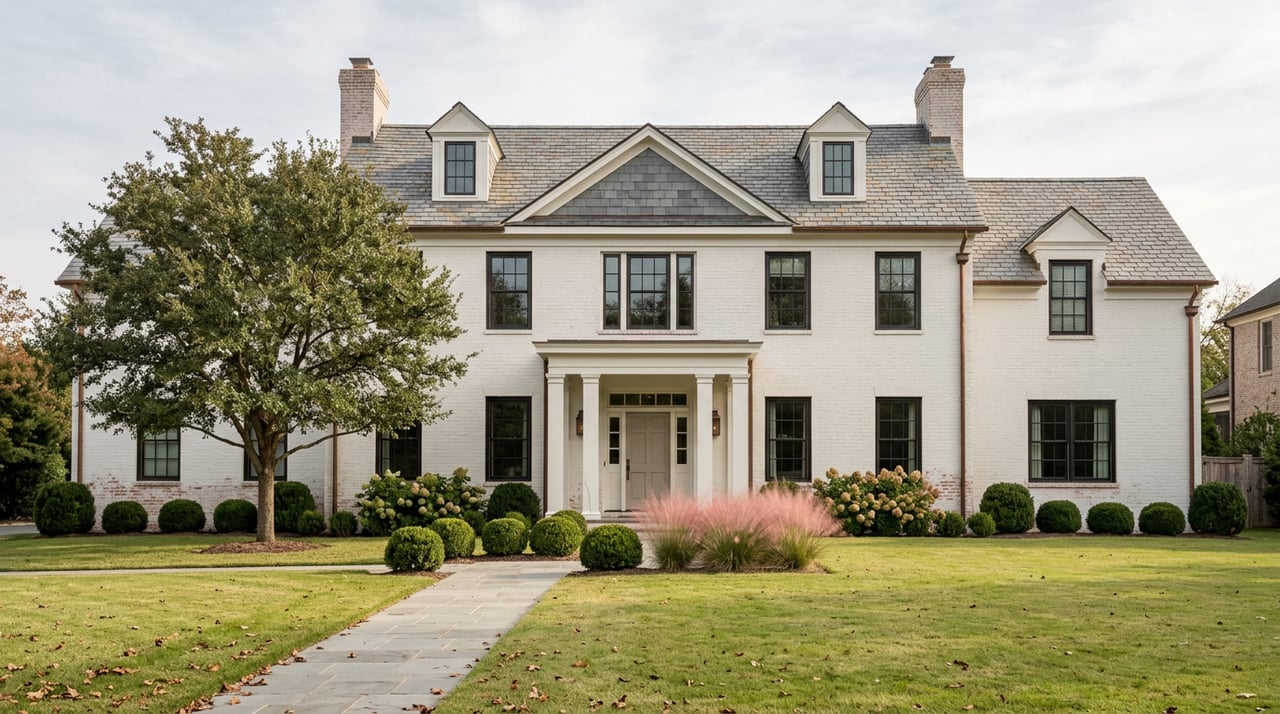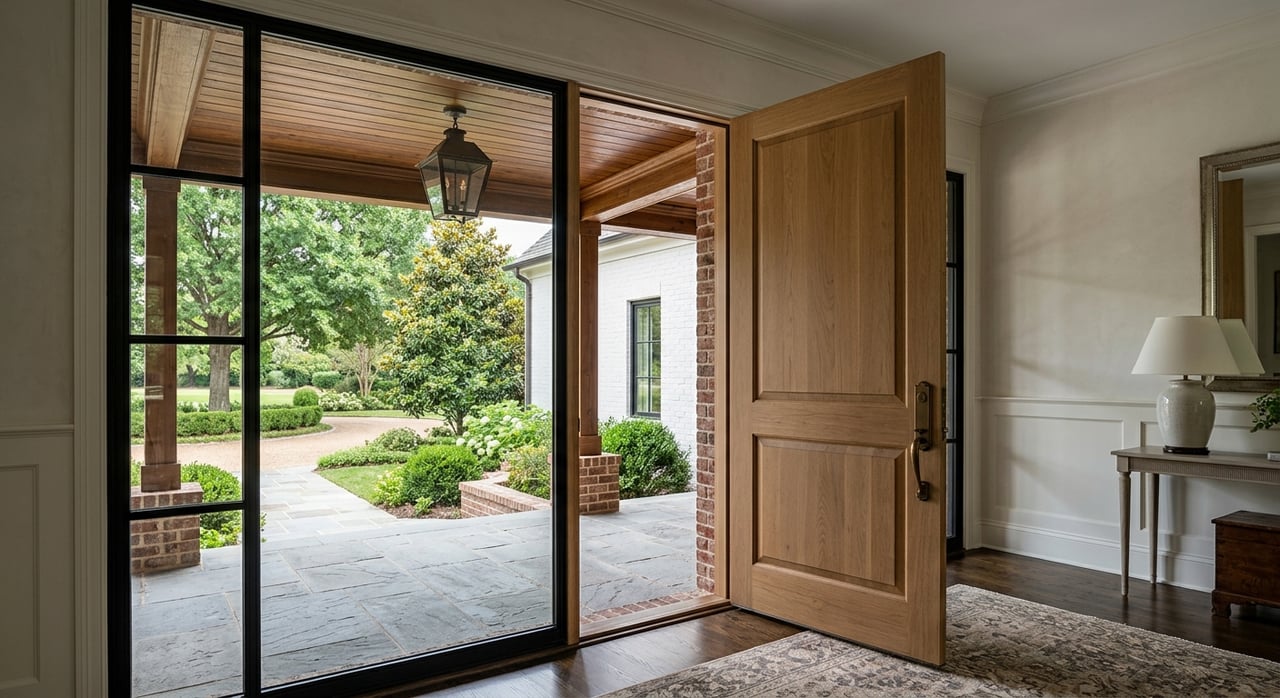
Thinking about moving to Franklin from another state? You are not alone, and the move can feel exciting and overwhelming at the same time. From housing costs and commute patterns to school zones and property rules, a little local context can save you time, stress, and expensive surprises. This guide will walk you through the practical details that matter most so you can plan your move with more confidence. Let’s dive in.
What living in Franklin feels like
Franklin is about 15 miles south of Nashville, but it has its own identity. The city describes itself as a blend of history and new growth, which is helpful shorthand for what you will notice once you start exploring. You can spend time in a historic downtown setting one day and in a newer business and shopping hub the next.
Downtown Franklin centers on a 15-block historic district known for shopping, dining, and community events. Cool Springs, by contrast, functions more as a business, dining, and retail area. If you are relocating from out of state, it helps to know early that Franklin is not one uniform market.
That difference matters when you start comparing homes and neighborhoods. Some areas feel more established, some feel newer, and some come with different parking realities, lot layouts, or renovation considerations. In practical terms, where you land in Franklin can shape your day-to-day life as much as the home itself.
Franklin housing costs and pace
Franklin is a higher-price market, and that should shape your planning from day one. Spring 2026 data shows Zillow estimating the average home value at $915,404, while Redfin reported a May 2026 median sale price of $849,492. Those figures come from different methods and timeframes, so it is best to use them as directional guides rather than one exact benchmark.
Market pace can also feel different depending on the source. Zillow says homes go pending in about 15 days, while Redfin’s May 2026 snapshot shows about 52 days on market. For you as a buyer, the practical takeaway is simple: well-positioned homes can move quickly, so preparation matters.
If you are relocating on a tight timeline, start your search with a clear budget and decision framework. Knowing your must-haves, nice-to-haves, and non-negotiables will help you move faster when the right property appears. That is especially important in a market where pricing and timing can vary by area and home type.
Property taxes need a closer look
One of the easiest mistakes out-of-state buyers make is assuming there is a single citywide property tax number. In Franklin, property taxes vary by exact location. That means you will want to review the full tax picture for each specific parcel rather than rely on a broad estimate.
Williamson County publishes tax rates that include county and school components, and Franklin separately lists its city property tax rate for FY 2026 at $0.2960 per $100 of assessed value. Taxes are billed and collected by the Williamson County Trustee. The key point is that your actual tax obligation depends on where the property sits.
Tennessee also has no state income tax on earned income, which can be a meaningful factor if you are moving from a higher-tax state. At the same time, the state relies on sales tax, with a 7% state rate plus a local portion that varies by county and city. When you build your monthly budget, it helps to look at the whole cost picture, not just the mortgage payment.
School zones are address-specific
If school assignments are part of your move, verify them early and verify them by address. In Franklin, school zoning is not something you should estimate based on a neighborhood name or a nearby school. Williamson County Schools states that zones are established by the board and can change when capacity changes or new schools open.
Franklin Special District serves pre-K through 8th grade in eight schools. After 8th grade, students typically move into Williamson County high schools, often Franklin High or Centennial High depending on where they live. Williamson County Schools also notes that residency in Williamson County is required for attendance.
The most practical approach is to confirm the assigned schools for any home before you get too far into the decision process. This is especially important if you are comparing multiple areas of Franklin from a distance. It can help you avoid falling in love with a home that does not align with your needs.
Historic overlay and floodplain rules matter
Franklin has two property-specific issues that deserve extra attention during a relocation search: historic-overlay review and floodplain status. These do not affect every home, but when they do apply, they can shape renovation plans, insurance costs, and timing.
Within the historic preservation overlay, the city’s Historic Zoning Commission reviews exterior alterations. If you are drawn to older homes near downtown, this is not necessarily a problem, but it is something to understand before you buy. A home that looks perfect for future updates may come with added review requirements.
Floodplain review is also important in parts of Franklin. The city reports 1,769 FEMA-mapped floodplain properties, with the Harpeth River and its tributaries creating the main flood concern. The city also notes that flood insurance is separate from a standard homeowners policy and may have a 30-day waiting period.
For out-of-state buyers, these are the kinds of details that are easy to miss on a quick online search. A home’s location, lot, and zoning context matter just as much as its finishes. That is why it helps to evaluate each property beyond the photos.
Commute expectations in Franklin
A short distance on the map does not always mean an easy drive. Franklin is close to Nashville, but local planning materials note that the Cool Springs and McEwen corridor sees peak-hour congestion due to regional traffic patterns and limited north-south connections. If you will be commuting, this should be part of your search strategy.
In other words, a home that looks ideal online may feel very different once you test the route at the time you would actually travel. That is why a commute test is so valuable. It gives you real-world context that square footage and listing photos never can.
Franklin is still largely a drive-first market. Public transit options do exist, including local fixed-route service, paratransit, regional vanpool options, and the RTA P91X commuter bus to downtown Nashville. Even so, most day-to-day movement for residents still centers on driving.
Daily life beyond the commute
Franklin’s appeal is not only about access to Nashville. For many buyers, it is about the day-to-day lifestyle once you are home. The city highlights downtown festivals, shopping, dining, and a broad parks system that includes more than 900 acres across 18 parks.
That parks network includes walking and fitness trails, historic parks, and other recreation amenities. For many relocating buyers, this becomes part of the quality-of-life equation. It can influence where you want to live, how often you can walk or spend time outdoors, and what your weekends look like.
Downtown errands may also be easier than some buyers expect. The city says downtown parking is free, on-street spaces are limited to two hours, and city garages have no time limit. If walkability and regular access to downtown matter to you, that is a useful local detail to know.
A practical timeline for moving remotely
If you are buying from out of state, a remote search usually works best when it starts 60 to 90 days before your target move date. That gives you time to sort out financing, narrow your preferred areas, and build a realistic plan for tours, inspections, and closing.
At the financing stage, compare at least three lenders. Consumer guidance also notes that multiple mortgage credit checks within a 45-day window are generally recorded as a single inquiry. That can make rate shopping easier if you stay organized.
Once financing is underway, narrow your search with virtual tours and a short list of target areas. In Franklin, you should also check school zones by address and review whether a property may be in a historic overlay or floodplain area. These local checks can prevent surprises later.
What to do before making an offer
Before you submit a serious offer, slow down long enough to confirm the details that matter most. This is especially true if you have only seen a property virtually or during a short visit. The more specific your due diligence, the more confident your decision will feel.
A strong pre-offer checklist can include:
- A current preapproval letter
- A monthly budget that includes property taxes
- A homeowners insurance estimate
- A possible flood insurance estimate if applicable
- School-zone confirmation by address
- A commute test at your expected travel time
- A plan for inspection timing and closing travel
This kind of preparation is not about overcomplicating the process. It is about protecting your time and helping you move decisively when the right home comes up.
Inspections and closing from out of state
Once you are under contract, schedule an independent home inspection as soon as possible. An inspection is different from an appraisal, and it is meant to help you understand the property’s condition. Consumer guidance recommends using an inspector who works for you, not someone whose incentives may be tied to the transaction in another way.
As closing gets closer, make sure you complete the final walk-through and resolve any last questions with your lender or settlement agent. Depending on the transaction, the settlement agent may be a title company, escrow officer, or attorney. Clear communication matters even more when you are coordinating a move across state lines.
The goal is not just to get to the closing table. It is to arrive there feeling informed, prepared, and comfortable with the property and process. That kind of clarity can make your transition into Franklin much smoother.
Why strategy matters in a Franklin move
Relocating to Franklin is not just about picking a house. It is about matching your budget, commute, property preferences, and lifestyle priorities to the right part of the market. In a city where downtown, Cool Springs, and surrounding neighborhoods can feel quite different, local strategy matters.
That is true whether you are looking for a polished new construction home, a resale property with character, or a low-maintenance option close to shopping and dining. A smart relocation plan helps you compare tradeoffs clearly and act with confidence. It also helps you focus on the homes and areas that fit your real life, not just your online search.
If you are planning a move to Franklin from out of state and want local guidance tailored to your timing, budget, and goals, connect with The Reed Collective. Their team brings Franklin market knowledge, structured guidance, and a practical approach that can help you make a confident move.
FAQs
What is the housing market like for buyers moving to Franklin?
- Franklin is a higher-price market, with Spring 2026 data showing home values and sale prices generally in the upper range, and some homes moving quickly depending on price point and location.
How do school zones work when buying a home in Franklin?
- School zones are address-specific and should be verified directly for each property, since assignments can change and district attendance rules apply.
What property tax details should out-of-state Franklin buyers know?
- Property taxes vary by exact location, so you should review the full county, school, and city tax picture for the specific parcel instead of relying on one estimate.
Are there special property rules in Franklin buyers should check?
- Yes. Some homes may be affected by historic-overlay review for exterior changes or by floodplain status, which can affect renovation plans, insurance needs, and timing.
Is Franklin a good choice for commuting to Nashville?
- Franklin is about 15 miles south of Nashville, but commute time depends heavily on traffic patterns, especially around Cool Springs and McEwen during peak hours.
What should remote buyers do first when relocating to Franklin?
- Start 60 to 90 days before your move date with lender comparisons, a clear budget, target areas, virtual tours, and property-specific checks like school zones, floodplain status, and commute testing.